Stainless Steel Fabrication
Stainless Steel Manufacturing
Stainless Steel Production
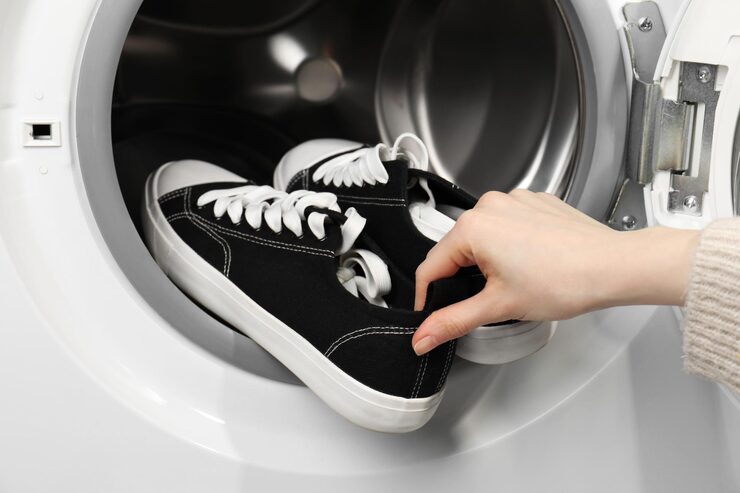

Maintaining hygiene in industrial workplaces is more than just a regulatory requirement—it is a key factor in ensuring the health and safety of employees. An Automatic Boot Washer provides a modern solution for keeping footwear clean and preventing the spread of dirt, bacteria, and harmful substances across workspaces.
Traditional manual boot cleaning methods are often inconsistent and time-consuming. Employees may skip cleaning, leading to contamination risks in sensitive areas such as food processing plants, pharmaceutical facilities, or cleanrooms. In contrast, automatic boot washers provide consistent and thorough cleaning without requiring extra supervision.
With the rise of automation in industrial hygiene, businesses are increasingly turning to these systems to improve workplace safety, comply with regulations, and reduce contamination risks. Whether it’s a factory, warehouse, or farm, an automatic boot washer can be a valuable investment in operational efficiency and hygiene management.
Installing an Automatic Boot Washer is more than just a convenience—it’s a preventive measure that protects employees and products. Contaminated footwear can carry dirt, bacteria, chemicals, and pathogens into clean areas, creating serious health and operational risks.
Some key benefits of using an automatic system include:
By investing in an automatic boot washer, facilities can ensure a higher level of hygiene control, reduce cross-contamination, and create a safer work environment for everyone.
A boot washer station is a central feature of any industrial hygiene plan. These stations are typically installed at entry points to clean and disinfect footwear before workers enter sensitive areas.
A modern station includes brushes, water jets, and cleaning solutions that automatically scrub and rinse boots. Many stations are equipped with sensors, so cleaning begins as soon as a person steps onto the platform. This ensures that every boot is cleaned without relying on employee diligence.
Best practices for installing a boot washer station include:
A well-placed and maintained boot washer station ensures that all employees follow proper hygiene protocols without disruption to workflow.
Food production facilities are highly sensitive to contamination. Boot washers food industry systems are specifically designed to meet stringent hygiene standards required in these environments.
Contaminated boots can transfer bacteria such as Salmonella or E. coli into processing areas, posing risks to food safety and consumer health. Automatic systems prevent this by providing thorough cleaning and disinfection for every worker.
Key features that make these systems suitable for the food industry include:
By using boot washers in food facilities, companies can reduce contamination risks, comply with safety audits, and protect both employees and consumers. Investing in hygiene automation also reflects a professional commitment to quality and safety.
Industries such as agriculture, construction, and landscaping face unique hygiene challenges due to dirt, mud, manure, and chemicals. A welly boot washer is a specialized solution designed to handle the heavy-duty cleaning needs of these environments.
Workers on farms or outdoor sites are often exposed to soil, fertilizers, and other contaminants. Without proper cleaning, these substances can spread into offices, processing areas, or shared spaces, increasing the risk of infections and operational issues.
The benefits of a welly boot washer include:
In agriculture and livestock facilities, a welly boot washer is essential for biosecurity. It helps prevent the spread of diseases, keeps facilities clean, and ensures workers maintain proper hygiene without extra effort.
Modern Automatic Boot Washer systems are designed to provide efficiency, durability, and ease of use. They are equipped with features that support both performance and operational sustainability.
Some notable features include:
The long-term benefits are significant:
By investing in an automatic system, businesses gain a reliable tool that maintains hygiene standards consistently, supports employee safety, and strengthens overall operational efficiency.
To maximize the benefits of your automatic boot washer, follow these practical tips:
These simple practices help extend the lifespan of the equipment while maintaining hygiene efficiency across your facility.
An Automatic Boot Washer is a vital addition to any industrial hygiene program. From food processing plants to agricultural sites, these systems ensure that workers’ footwear is consistently cleaned, reducing contamination risks and promoting safety.
Installing a boot washer station improves entry control and reinforces hygiene protocols. Specialized systems, such as boot washers food industry models or welly boot washers, meet the unique needs of different industries.
By investing in an automatic system today, businesses prepare for a cleaner, safer, and more compliant workplace tomorrow. Automation not only improves operational efficiency but also enhances overall hygiene management, making it a long-term strategic choice.
What is an Automatic Boot Washer used for?
It cleans and disinfects footwear automatically, preventing contamination in industrial and food facilities.
Where should a boot washer station be installed?
At entry points of sensitive areas to ensure workers’ boots are cleaned before entering.
Are boot washers food industry approved?
Yes, many models comply with food safety standards and hygiene regulations.
What is a welly boot washer suitable for?
Outdoor industries like farming, construction, and landscaping where heavy-duty cleaning is needed.
Does an Automatic Boot Washer require high maintenance?
No, most systems are low-maintenance and designed for long-term industrial use with minimal upkeep.