In today’s competitive manufacturing landscape, efficiency, precision, and durability are more than just goals—they are necessities. Every day, factories, workshops, and production lines depend on stainless steel fabrication machinery to keep operations running smoothly. From shaping raw materials to producing final products, this equipment is crucial for delivering consistent quality, minimizing waste, and reducing operational downtime.
Whether you are running a small workshop or managing a large-scale production facility, having reliable stainless steel fabrication machinery ensures that your operations are productive, safe, and cost-effective.
Investing in high-quality machinery does not only improve your workflow; it also supports sustainable practices, boosts workplace safety, and enhances the longevity of your products. In this article, we will explore the importance of stainless steel fabrication machinery, the benefits of using advanced equipment, and practical tips for choosing the right machines for daily operations.
Why Stainless Steel Fabrication Machinery Is Critical for Manufacturing
Stainless steel fabrication machinery is the backbone of modern manufacturing. It covers a wide range of tools and machines used for cutting, bending, welding, assembling, and finishing stainless steel components.
The main advantages of using reliable machinery include:
- Consistent Quality: Accurate machinery ensures that every product meets industry standards.
- Reduced Material Waste: Precise fabrication minimizes scrap material, saving money and resources.
- Improved Efficiency: Faster production times allow manufacturers to meet high-volume demands.
- Enhanced Safety: Automated machinery reduces human error and workplace accidents.
Without dependable machinery, manufacturers risk inconsistent outputs, increased operational costs, and frequent delays. For businesses that value productivity and quality, investing in stainless steel fabrication machinery is essential for daily operations.
Features to Look for in High-Quality Stainless Steel Fabrication Machinery
Choosing the right machinery is more than picking the most expensive option—it is about selecting equipment designed for durability, efficiency, and ease of use. Key features to consider include:
- Durable Construction: Machines built from high-quality components can withstand continuous operation.
- Precision Controls: Advanced digital interfaces allow operators to make accurate adjustments with minimal errors.
- Versatility: Equipment capable of performing multiple tasks, such as cutting, bending, and welding, saves space and reduces costs.
- Energy Efficiency: Modern machinery reduces power consumption without compromising performance.
- Ease of Maintenance: Machines that are easy to clean and maintain reduce downtime and prolong lifespan.
For example, a multi-functional stainless steel bending and cutting machine can replace several single-purpose devices, streamlining workflow and saving space in the workshop. Investing in machinery with these features ensures daily operations remain productive and trouble-free.
How Stainless Steel Manufacturing Benefits from Advanced Machinery
Efficient stainless steel manufacturing depends heavily on the quality of machinery. Advanced equipment allows manufacturers to handle complex tasks with precision, including:
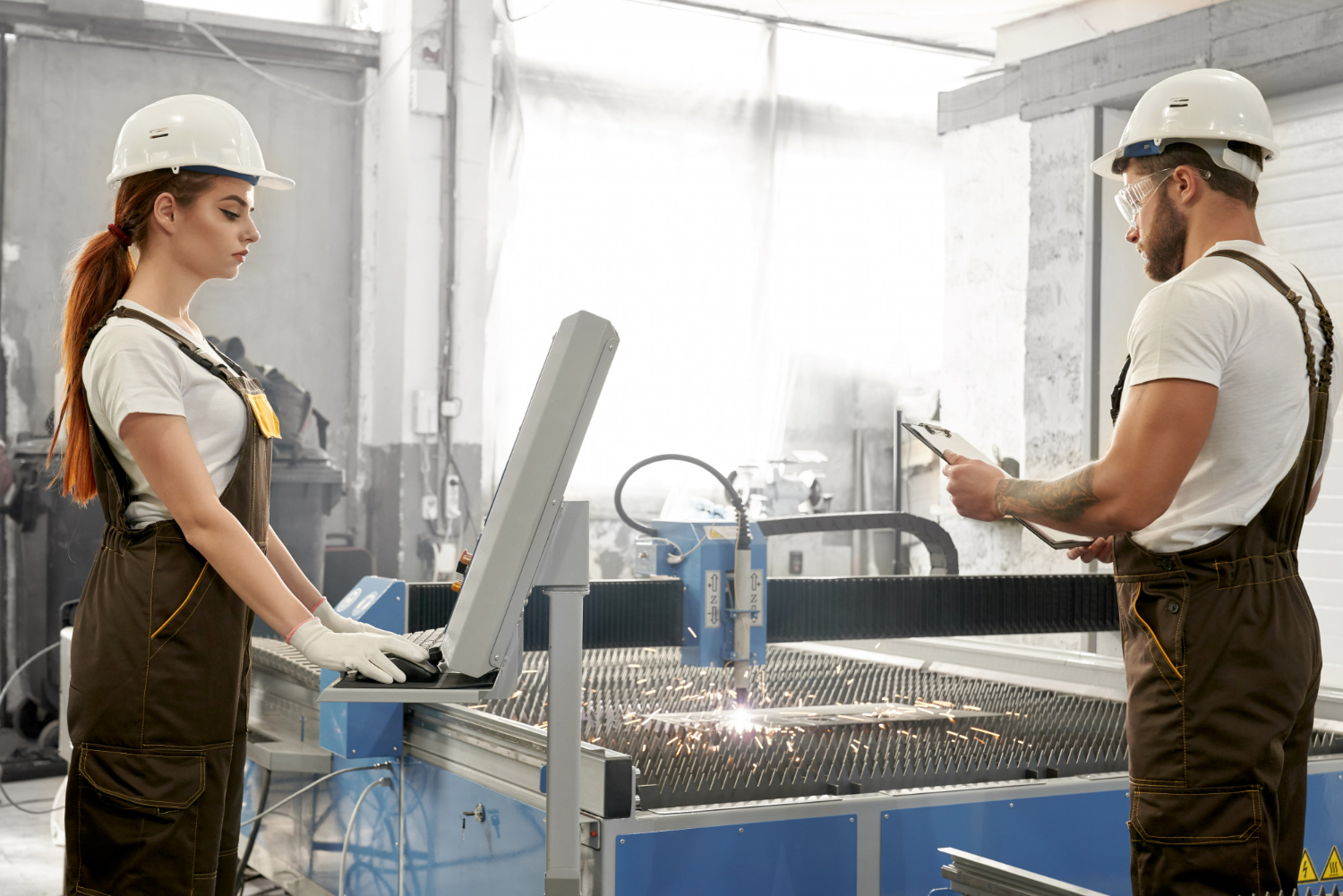
- High-Precision Cutting: CNC and laser cutting machines produce exact shapes and sizes, ensuring uniformity.
- Accurate Bending and Forming: Automated bending machines prevent errors and reduce material fatigue.
- Consistent Welding: Robotic and semi-automatic welders ensure strong joints with minimal defects.
By integrating modern stainless steel fabrication machinery into production lines, manufacturers can increase output, reduce waste, and enhance product durability. High-quality machinery also allows for the production of specialized products that would be impossible to create with older or manual tools.
Moreover, many modern machines integrate with digital systems, enabling real-time monitoring of production metrics. This not only ensures quality control but also helps managers optimize workflows and schedule maintenance proactively.
Optimizing Stainless Steel Production with the Right Equipment
Large-scale stainless steel production requires more than just skilled workers—it demands machinery that can handle high volumes efficiently. The right stainless steel equipment can dramatically improve productivity while maintaining consistent product quality.
Here’s how:
- Automation: Automated cutting, bending, and welding machines reduce human error and increase speed.
- Scalability: Equipment that can handle larger batches supports growth and increased demand.
- Safety: Machines with integrated safety features reduce workplace accidents.
- Energy Efficiency: Modern production machinery consumes less power while producing more output.
Practical examples include using laser cutting machines for precision sheet metal work or robotic welders to maintain consistent weld quality across thousands of units. These machines allow manufacturers to scale operations without compromising safety or quality.
Choosing Reliable Stainless Steel Fabrication Machinery for Daily Operations
Daily operations demand machinery that is both dependable and user-friendly. Selecting the right equipment requires evaluating several factors:
- Brand Reputation: Trusted brands with a proven track record ensure quality and reliability.
- After-Sales Support: Access to technical support, spare parts, and warranty services is essential.
- Workflow Compatibility: Machinery should integrate seamlessly with your existing production line.
- Ease of Training: Equipment with intuitive interfaces reduces training time for operators.
- Longevity: Machines made for heavy-duty daily use save money over the long term.
For example, if your workshop relies on a combination of cutting and welding machines, consider a multi-functional unit with digital control panels. Not only does it reduce the number of machines needed, but it also improves efficiency and minimizes operator fatigue.
Future Trends in Stainless Steel Fabrication Machinery
The stainless steel industry is evolving, with technology transforming how production lines operate. Manufacturers can stay ahead by adopting the following trends:
- Robotics and Automation: Increased use of AI-driven robots for welding, cutting, and material handling.
- IoT Integration: Smart machines track performance, predict maintenance, and optimize operations.
- Sustainable Practices: Energy-efficient machinery reduces environmental impact while cutting costs.
- Advanced Materials Handling: Equipment designed to work with new stainless steel alloys improves product quality.
Keeping up with these trends ensures manufacturers remain competitive, meet regulatory standards, and continue delivering high-quality products efficiently.
Conclusion
Reliable stainless steel fabrication machinery is essential for manufacturers who value efficiency, precision, and quality. From improving stainless steel manufacturing processes to optimizing stainless steel production, the right machinery transforms daily operations into a streamlined, cost-effective workflow.
By investing in durable, versatile, and easy-to-maintain machinery, businesses can enhance productivity, reduce errors, and meet the demands of modern manufacturing. The integration of advanced stainless steel equipment further ensures that operations remain efficient, sustainable, and future-proof.
Whether your goal is to scale production, improve workflow, or adopt innovative technologies, dependable stainless steel fabrication machinery is the cornerstone of operational success.
FAQs
- What is stainless steel fabrication machinery used for?
It is used for cutting, bending, welding, and assembling stainless steel components with precision and efficiency.
- How does stainless steel manufacturing benefit from machinery?
Advanced machinery ensures high-quality output, reduces material waste, and increases production speed.
- What types of stainless steel equipment are essential?
Cutting machines, bending machines, robotic welders, and multi-functional assembly units are key equipment.
- Why is reliable stainless steel fabrication machinery important for daily operations? Reliable machines reduce downtime, maintain consistent product quality, and boost operational efficiency.
- How can businesses optimize stainless steel production?
By investing in high-quality machinery, incorporating automation, and monitoring performance with digital tools.